
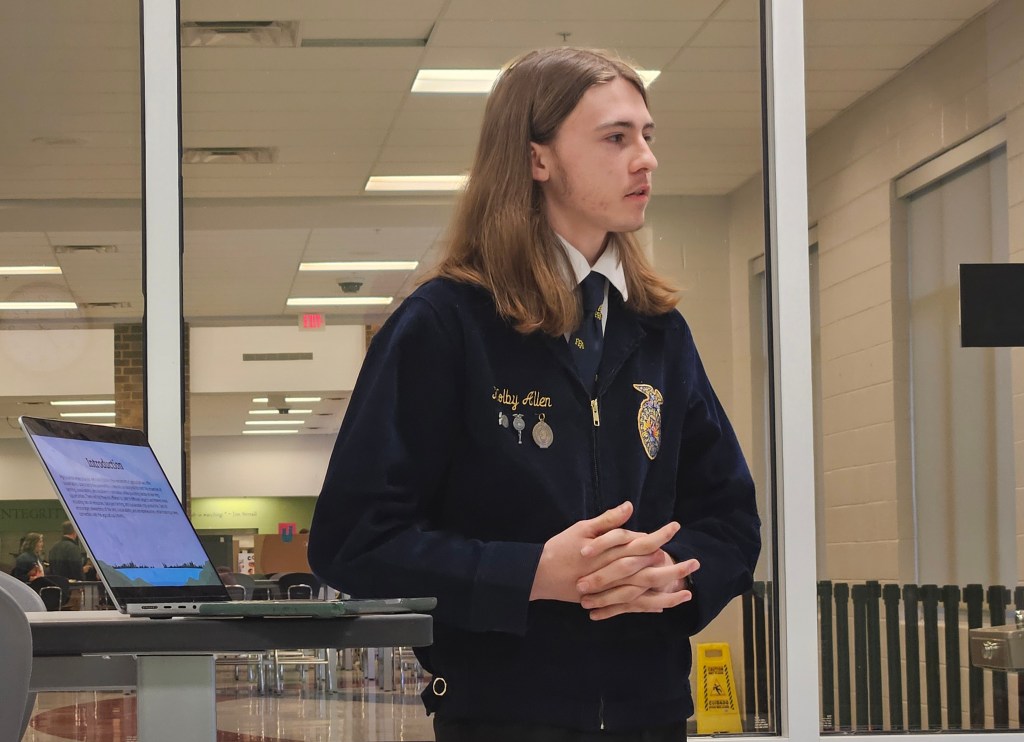
This essay by Rock Hill High School senior Kolby Allen placed first in the York County Youth in Agriculture Essay Contest held this month at York Comprehensive High School. Kolby is a member of York County 4-H and Rock Hill ATC FFA and plans to study veterinary science.
By Kolby Allen
Livestock veterinary medicine is a cornerstone of the agricultural industry, ensuring the health and welfare of food-producing animals while safeguarding public health. Veterinarians specializing in livestock care collaborate closely with farmers to prevent disease outbreaks, manage herd health and optimize productivity. Their expertise is vital in maintaining the safety and quality of meat, dairy and egg production, which millions rely on daily. Despite its challenges, livestock veterinary medicine is a rewarding and indispensable profession that supports sustained food systems, prevents disease outbreaks and contributes to global food security. In the United States, we need to find ways to close the gap between urban and rural veterinary care by encouraging more vets—especially those specializing in large animals—to practice in rural areas by offering incentives that help make these careers more accessible and appealing, ensuring animals in all communities get the care they need.
The primary responsibility of livestock veterinarians is disease prevention and herd management. They conduct health checks, administer vaccinations, perform surgeries and provide farmers with expert advice on animal care. Preventative medicine is crucial, as preventing disease outbreaks is more cost-effective and cost-efficient than treating them post-occurrence. Additionally, livestock veterinarians specialize in reproductive health by assisting with pregnancy checks, artificial insemination and genetic selection programs. Their work ensures a stable and productive livestock population, helping farmers meet the growing demand for food and fiber.
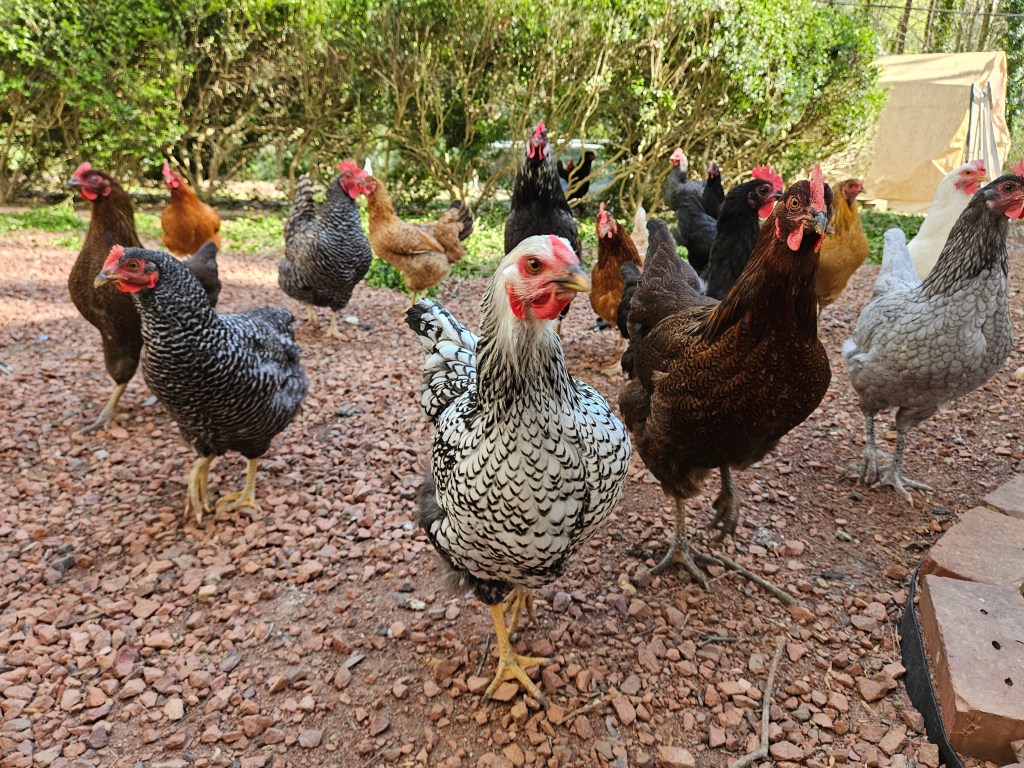
Despite its importance, the field of livestock veterinary medicine faces significant challenges. One major issue is the shortage of rural veterinarians, as many new graduates choose to work in urban areas or focus on small animal care. This shortage leaves many farming communities without essential veterinary services, leading to increased disease risks and economic losses.
Another challenge is the growing concern over antibiotic resistance. While antibiotics are essential for treating infections in livestock, their overuse can lead to drug-resistant bacteria that threaten both animal and human health. Veterinarians must carefully regulate antibiotic use while promoting alternative solutions such as improved sanitation, vaccination programs and selective breeding for disease-resistant animals.
My passion for livestock veterinary medicine grew during my time as a veterinary intern at Top Gun Veterinary Clinic. Throughout my internship, I assisted with vaccinations, pregnancy checks and emergency procedures, witnessing firsthand the dedication and expertise required in this field. I saw veterinarians work tirelessly to ensure their patients received proper treatment and overall care. These experiences reinforced my belief that livestock veterinary medicine is not just a career but a commitment to the future of agriculture. As technology advances, veterinarians will continue to play an increasingly important role in disease prevention, food safety and the responsible use of medical treatments in livestock.
South Carolina’s lack of an in-state veterinary school has led students to study out of state, contributing to the shortage of veterinarians, especially in livestock care. The state contracts for up to 46 students each year to attend veterinary schools like the University of Georgia and Mississippi State University, but this still doesn’t meet the demand. In 2022, nearly 200 South Carolina students were enrolled at 13 out-of-state veterinary colleges, though not all returned to practice in the state. This has worsened the shortage, especially in rural areas. The lack of veterinarians in these areas impacts livestock health and threatens the agricultural industry.
Recognizing this critical need, Clemson University has embarked on establishing the state’s first veterinary college. The Harvey S. Peeler Jr. College of Veterinary Medicine is scheduled to welcome its inaugural class in the fall of 2026, pending accreditation from the American Veterinary Medical Association Council on Education. This development represents a significant milestone for South Carolina, aiming to address the veterinarian shortage by training professionals within the state.
The establishment of this college is expected to have a profound impact on the livestock veterinary sector. By providing in-state education, it increases the likelihood that graduates will remain in South Carolina to practice, thereby beginning to alleviate the current shortage. This is particularly important for rural areas, where the need for livestock veterinarians is most crtitical.
The curriculum at the Harvey S. Peeler Jr. College of Veterinary Medicine will emphasize both small and large animal medicine, offering a comprehensive education that prepares students for diverse career paths. The college aims to empower students to become highly skilled veterinarians who can practice in underserved communities in South Carolina. This focus aligns with the goal of filling the gap in the livestock veterinarian shortage, ensuring that farming communities have access to essential veterinary services.
The construction of the veterinary college is a substantial development, with a budget of $285 million. The complex will comprise six buildings designed to provide students with spaces for collaboration, hands-on learning and personal growth. Key components include a clinical teaching, ambulatory service and research building with specialized facilities for equine and farm animal instruction. These state-of-the-art facilities will enable students to gain practical experience in livestock care, preparing them to meet the challenges of the profession upon graduation.
The anticipated opening of the Harvey S. Peeler Jr. College of Veterinary Medicine is a pivotal step toward addressing the livestock veterinarian shortage in South Carolina. By training veterinarians within the state, Clemson University is poised to enhance the agricultural industry’s resilience and sustainability. This initiative not only supports the health and welfare of livestock but also contributes to public health and the state’s economy.
Taking this information into account, livestock veterinary medicine is a critical field that ensures the health of animals, success of farmers and safety of the food supply. Veterinarians work diligently to prevent diseases, manage herd health and address challenges such as antibiotic resistance. Although the job comes with difficulties, it is a rewarding and meaningful profession that directly impacts global food production and public health. As the world’s population grows, the need for skilled livestock veterinarians will only increase, making this profession more important than ever. For those passionate about animals, agriculture and science, livestock veterinary medicine offers an opportunity to make a tangible difference in the world.
Background Sources and Further Reading:
Scdailygazette.com
Greenvillejournal.com
News.clemson.edu
Clemson.edu
Greenvilleonline.com
 The York County Current